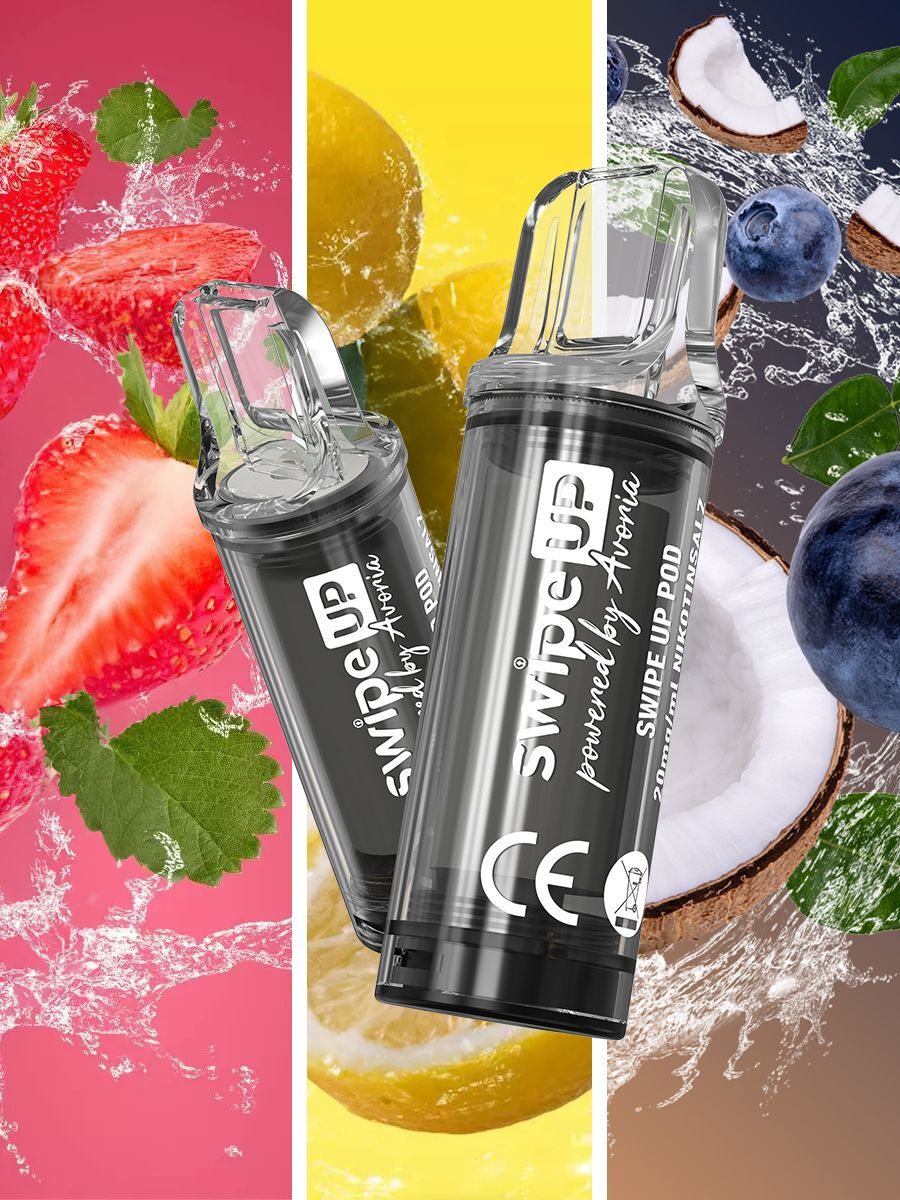
Pre-filled pod systems are popular with adult vape users because they are simple: charge the device, click in a sealed pod, and replace the pod when it is empty or no longer performing well. That convenience has a cost. If you do not track pod usage, battery condition, and buying habits, your pre-filled pods cost can creep higher than expected over a month.
This guide explains practical ways to reduce pre-filled pods maintenance cost without making unrealistic claims or relying on invented prices. Actual costs vary by brand, device, pod capacity, nicotine strength, local taxes, and usage habits. The goal is to help adult users compare options more clearly, estimate value, and avoid preventable spending.
For broader budgeting advice, see our Vape Cost and Value Guides and product-focused Pod Guide.
What Counts as Maintenance Cost for Pre-Filled Pods?
Pre-filled pods do not require the same upkeep as open refillable pod systems, but they still have maintenance-related costs. These include replacement pods, battery replacement over time, charging accessories, cleaning supplies, and wasted pods caused by poor storage or device problems.
The largest recurring expense is usually the pod itself. Because pre-filled pods are sealed, you replace the whole pod rather than refilling it with bottled e-liquid. That makes tracking replacement pod prices important. A lower device price does not always mean better long-term value if the pods are expensive or run out quickly.
Maintenance cost can also include the cost of replacing the device battery unit. Most pre-filled pod devices are rechargeable, but batteries do not last forever. Charging habits, storage temperature, and build quality can affect lifespan. Specifications vary by model, so check the manufacturer’s guidance before assuming one battery will last a specific number of months.
Start With a Realistic Monthly Cost Estimate
The easiest way to lower your pre-filled pods monthly cost is to measure your actual use before trying to optimize it. Guessing often leads to poor comparisons, especially when pod sizes, puff counts, and nicotine strengths vary.
Track these details for two to four weeks:
- How many pods you use per week
- How often you charge the device
- Whether pods are being replaced because they are empty, burnt, leaking, or weak
- The price paid per pack after tax and shipping
- Any device replacements or accessory purchases
Then calculate a simple monthly estimate:
Pods used per month × average cost per pod = estimated monthly pod costIf you buy multi-packs, divide the total pack price by the number of pods. Include taxes and delivery fees if they apply. This gives you a more accurate baseline than comparing advertised prices alone.
Compare Cost Per Puff Carefully
Many adult users look at pre-filled pods cost per puff to compare value. This can be useful, but it is not perfect. Puff count estimates depend on puff length, power output, pod capacity, coil design, and how the device is used. A long, frequent draw will use more liquid than a short, gentle draw.
A practical cost-per-puff estimate looks like this:
Cost per pod ÷ approximate number of puffs you personally get = estimated cost per puffDo not rely only on marketing puff counts. Instead, track how long a pod lasts for your own use pattern. If one pod lasts three days and another lasts two days, the cheaper pod may not be the better value.
When comparing systems, also consider consistency. A pod that performs well until empty may offer better value than one that tastes burnt or weak halfway through, even if both have similar advertised capacity.
Avoid Replacing Pods Too Early
One of the most common ways adult users overspend is by replacing pods before they are actually finished. This can happen when flavor intensity drops slightly, the battery is low, or the contacts are dirty. Before discarding a pod, check a few simple things.
First, recharge the device fully. A weak battery can reduce vapor output and make a pod seem empty when it is not. Second, inspect the contact points between the pod and device. Dust, pocket lint, or condensation can interfere with connection. A clean, dry cotton swab can help remove residue.
Third, allow the pod to sit upright for a few minutes if performance suddenly drops. Liquid distribution inside the pod can shift, especially after being stored sideways. Do not attempt to open or refill sealed pods unless the manufacturer specifically designs them for that purpose.
For more on upkeep expectations, see Do pre-filled pods Devices Need Regular Maintenance.
Store Pods Correctly to Reduce Waste
Bad storage can shorten pod life and increase pre-filled pods maintenance cost. Heat, direct sunlight, and extreme cold can affect e-liquid consistency and pod materials. Poor storage may also contribute to leaking or flavor degradation.
Keep unopened pods in a cool, dry place away from direct sunlight. Avoid leaving them in a hot car, near a window, or next to heating equipment. Store pods upright when possible, especially after opening the package.
Pocket carry also matters. Loose pods can collect dust or debris, and pressure from keys or other items may damage packaging or mouthpieces. If you carry a device daily, a small case or dedicated pocket can reduce accidental pod waste. For more practical carry advice, read Best pre-filled pods for Pocket Carry Tips.
Keep the Device Contacts Clean
Pre-filled pod systems are low-maintenance, but “low-maintenance” does not mean “no maintenance.” Condensation can build up where the pod connects to the battery. This may cause weak hits, misfires, or inconsistent performance.
A basic cleaning routine can help:
- Remove the pod before cleaning
- Use a dry cotton swab or soft cloth on the contact area
- Avoid soaking the device or using excessive liquid
- Let the area dry before reinserting the pod
- Check for lint if the device is carried in a pocket
Cleaning takes less than a minute and may prevent unnecessary pod replacement. It can also help extend the life of the battery unit by reducing connection issues.
Match the Device Style to Your Vaping Pattern
A mismatch between device style and usage can increase cost. For example, if you prefer mouth-to-lung draws, a device designed for that style may use liquid more efficiently for your preference than a higher-output device. Specifications vary by model, so look at airflow design, power behavior, and pod type before buying.
Adult users who prefer tighter draws may want to read Are pre-filled pods Devices Good for MTL Vaping. MTL-focused devices may feel more familiar to some adult users and may reduce overuse compared with airy, high-output systems, depending on personal habits.
The best value is not always the cheapest device. A system that fits your draw style, pocket routine, and charging habits can reduce waste and replacement frequency.
Compare Pre-Filled Pods vs Disposable Vape Costs
The pre-filled pods vs disposable vape comparison is important for cost planning. Disposable vapes include the battery and e-liquid in one unit, so you replace the entire device when it is done. Pre-filled pod systems usually require a reusable battery and replaceable sealed pods.
A pod system may reduce hardware waste and may lower long-term spending for some adult users, but that depends on pod pricing, device lifespan, usage rate, and local availability. Disposables can look cheaper upfront, while pod systems may spread the device cost over many pod replacements.
To compare fairly, include:
- Initial device cost
- Replacement pod prices
- Disposable device prices
- How long each option lasts for your use pattern
- Taxes, shipping, and multi-pack pricing
- Replacement frequency due to damage or battery failure
For a deeper comparison, see Pod Kit vs Disposable Vape: Which Saves More?.
Buy Pods Strategically, Not Impulsively
Convenience purchases often raise monthly costs. Buying a single pack at the nearest store may be easy, but it may not be the best value. Compare legal adult retail options, including local shops and online retailers where permitted. Make sure any seller follows age verification and local regulations.
Look for legitimate multi-pack savings, but avoid overbuying flavors or strengths you have not tried. Buying too many pods that you later dislike creates waste. A better approach is to test a small quantity first, then buy more once you know the pod works well with your device and preferences.
Also watch for shipping thresholds. A slightly larger planned order may reduce per-pod shipping cost, but only if you will use the pods before quality declines and if the purchase fits your budget.
Choose Reliable Compatibility
Some pod systems have proprietary pods, while others may have wider availability. Proprietary pods can be convenient and consistent, but prices and availability may vary. If pods become hard to find, you may pay more or replace the whole device sooner than expected.
Before buying a device, check how easy it is to find compatible pods from legitimate adult retailers. Look at the number of flavor or strength options, pack sizes, and whether the product line appears to be actively supported. Do not assume third-party pods will perform the same as original pods unless the manufacturer clearly supports them.
If you are still deciding between device types, read What to Know Before Buying a pod mod kit.
Reduce Leaks and Misfires
Leaking wastes liquid and can make a pod unusable earlier than expected. While some issues are model-specific, several habits can help reduce preventable waste.
Avoid exposing pods to extreme heat. Do not leave a device on its side for long periods if the manufacturer recommends upright storage. Keep the mouthpiece clean and avoid blocking airflow openings. If a device starts auto-firing, misfiring, or heating unexpectedly, stop using it and follow manufacturer safety guidance.
Travel can also affect pods. Pressure changes during flights or elevation changes may contribute to leaking. If you travel, keep pods sealed until needed when possible and store them in a small leak-resistant bag.
Protect Battery Life to Delay Device Replacement
Battery replacement is not a weekly cost, but it affects long-term value. Rechargeable vape batteries degrade over time, and sealed battery units usually cannot be repaired by the user.
To support battery life:
- Use the charging cable and power guidance recommended by the manufacturer
- Avoid leaving the device in extreme temperatures
- Do not charge near water or flammable materials
- Unplug after charging if the manufacturer advises it
- Replace damaged cables
- Stop using a device with swelling, overheating, or visible damage
A battery unit that lasts longer lowers the average monthly cost of the system. For example, if a device is replaced frequently due to poor care, that hardware cost should be added to your monthly budget.
Consider Whether an Open Pod System Would Cost Less
Pre-filled pods trade flexibility for convenience. Open pod systems require bottled e-liquid and replaceable pods or coils, but they may offer lower liquid cost for some adult users. They also require more hands-on maintenance and careful filling.
The better value depends on your priorities. If you frequently waste pre-filled pods because they are expensive, unavailable, or not lasting long enough, an open system may be worth comparing. But if you value simplicity and dislike refilling, the maintenance time and learning curve may not be worth it.
For a full cost comparison, read hidden costs: Is a Open Pod System Worth the Money?.
Build a Simple Pre-Filled Pods Value Guide for Yourself
A personal pre-filled pods value guide can help you make better buying decisions. Create a note on your phone or a small spreadsheet with these columns:
- Pod brand and model
- Pack price after tax
- Pods per pack
- Cost per pod
- Days each pod lasts
- Any leaking, weak performance, or early replacement
- Where you bought it
After a month, patterns become clear. You may find that one pod costs more upfront but lasts longer, while another is cheaper but creates more waste. This personal data is more useful than general claims because it reflects your actual use.
Do Not Chase the Lowest Price at the Expense of Quality
The cheapest pod is not always the best value. Very low prices from unknown sellers may come with risks such as poor storage, expired stock, unclear authenticity, or lack of proper age verification. Adult users should buy only from reputable retailers that comply with local laws.
Quality and consistency matter because failed pods increase cost. If a lower-priced option leaks, tastes burnt early, or has connection problems, it may cost more per usable day than a slightly higher-priced option.
Value is the balance of price, reliability, availability, and fit for your usage pattern.
FAQ: Lowering Pre-Filled Pods Cost
How do I calculate pre-filled pods monthly cost?
Track how many pods you use in a month and multiply that by the average cost per pod after taxes and shipping. Add any device replacement or accessory costs if they occur during that month.
What affects pre-filled pods cost per puff?
Cost per puff depends on pod price, pod capacity, device power, draw length, puff frequency, and how consistently the pod performs. Specifications vary by model, so your personal tracking is more reliable than advertised estimates alone.
Are pre-filled pods cheaper than disposable vapes?
Sometimes, but not always. Pre-filled pod systems may offer better long-term value if the battery lasts and replacement pods are reasonably priced. Disposable vapes may appear cheaper upfront, but the full comparison should include how long each product lasts for your actual use.
Why do my pods run out faster than expected?
Common reasons include longer puffs, frequent use, higher-output device settings where applicable, poor storage, leaking, or replacing pods before they are empty. Low battery performance can also make a pod seem finished early.
Can cleaning the device really lower maintenance cost?
Yes. Cleaning the contact area can reduce misfires, weak output, and connection problems. This may help you avoid throwing away pods that still contain usable liquid.
Should I switch to an open pod system to save money?
It may save money for some adult users, but it adds refilling, cleaning, and coil or pod maintenance. Compare bottled e-liquid costs, replacement parts, time, and convenience before switching.