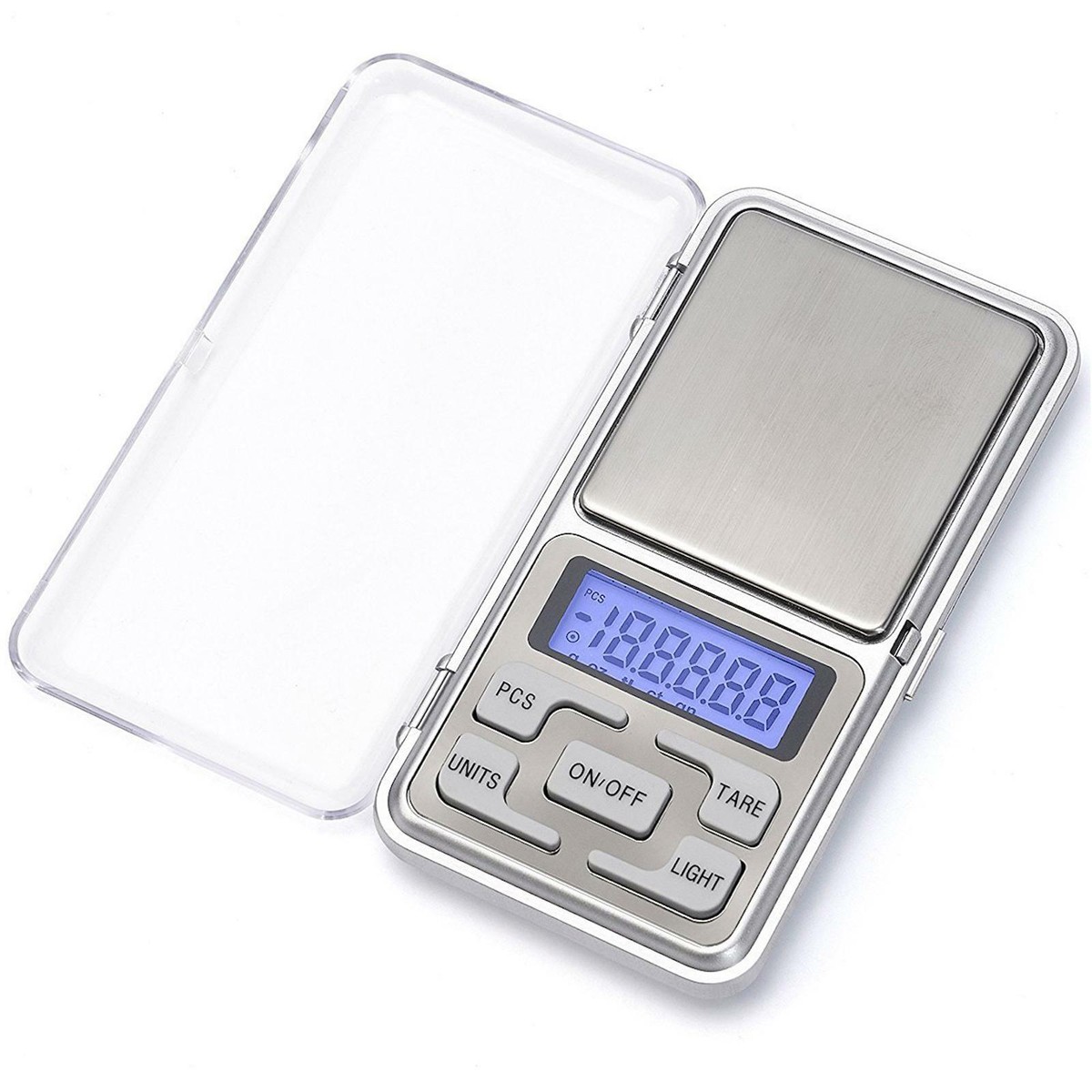
A digital pocket scale does not heat your vape coil, but it can absolutely contribute to coil burning if it leads you to mix, portion, or handle e-liquid ingredients incorrectly. For adult vape users who mix by weight, a small scale is often used to measure base liquid, nicotine solution, flavor concentrates, and additives. When the scale is inaccurate, poorly calibrated, overloaded, contaminated, or used with the wrong technique, the final liquid can become too thick, too sweet, too strong in flavoring, or poorly balanced for the coil and device.
This guide explains the real connection behind digital pocket scale coil burning, the most common scale-related mistakes, and practical fixes you can use before blaming the tank, pod, or coil itself. Vaping is not risk-free, and any mixing should be done carefully, legally, and only by adults.
How a Digital Pocket Scale Can Lead to Coil Burning
Coil burning usually happens when the wick cannot stay properly saturated or when residue builds up on the coil surface. A digital pocket scale can contribute to both problems if it causes inaccurate e-liquid measurement. For example, too much vegetable glycerin (VG) can make liquid too thick for a small pod wick, while too much sweetener or dark flavor concentrate can leave heavy residue that overheats and tastes burnt.
The scale is not the direct cause; the bad measurement is. If your e-liquid recipe depends on weight, even small errors matter. A scale that drifts by 0.05 g may not sound serious, but in small batches, that can be a large percentage of a strong flavor concentrate or additive. This is why digital pocket scale troubleshooting should be part of your coil burning fix, especially if burnt taste appears after switching recipes, bottle sizes, or mixing tools.
For broader coil basics, see our Coil Guide before adjusting recipes or replacing hardware.
Mistake 1: Using a Scale With the Wrong Resolution
One of the most common digital pocket scale buying mistakes is choosing a scale that cannot measure small amounts accurately enough. Many inexpensive pocket scales read in 0.1 g increments. That may be acceptable for weighing larger items, but it is often too coarse for small e-liquid batches where flavor concentrates may be used in fractions of a gram.
If your scale rounds up or down too aggressively, you may add too much flavoring, sweetener, or nicotine solution. Excess flavoring can darken liquid, increase residue, and shorten coil life. Too much sweetener is especially hard on coils because it caramelizes and creates dark buildup that produces a burnt or bitter taste.
A better option for small-batch mixing is usually a scale that reads to 0.01 g. Specifications vary by model, so check the readability, maximum capacity, calibration options, and whether the scale stays stable with lightweight containers.
Mistake 2: Forgetting to Tare the Container
Taring means zeroing the scale after placing your empty bottle, beaker, or mixing container on the platform. If you forget to tare, every ingredient measurement becomes inaccurate because the container weight is included in the total.
This mistake often causes users to under-add or over-add ingredients while trying to reach a target number. The final recipe may end up with an incorrect PG/VG ratio, too much concentrate, or too little diluent. If the liquid becomes too thick, the wick may struggle to absorb it quickly enough, especially in compact pods or high-power mesh coils. That can lead to dry hits and coil burning.
To avoid this, place the empty container on the scale, wait for the reading to stabilize, press tare, and only then add the first ingredient. Tare again only if your recipe method requires step-by-step weighing.
Mistake 3: Mixing Liquids That Are Too Thick for the Coil
A scale error can push a recipe toward a higher VG ratio than intended. VG is thicker than PG, and while many adult users prefer smoother, denser vapor, thicker liquid does not work equally well in every coil or pod system. Smaller coil heads, tight wicking ports, and lower-power devices often need thinner liquid to keep up.
If your digital pocket scale is causing repeated measurement errors, you may be creating liquid that cannot wick fast enough. The result is a coil that heats while partially dry, creating a burnt taste even if the coil is new.
This is especially important when using mesh coils, because their larger heating surface can vaporize liquid quickly. If you are new to mesh setups, read the Mesh Coil Beginner Guide to understand why wicking speed matters.
Mistake 4: Adding Too Much Sweetener or Heavy Flavoring
Sweeteners, dessert concentrates, custards, dark fruits, and some cooling agents can all affect coil life. When measured incorrectly, they can create fast buildup on the coil and wick. This buildup darkens over time, traps heat, and causes a burnt or artificial taste.
If coil burning starts soon after using a new recipe, check whether your scale caused over-measurement of sweetener or concentrate. In small bottles, adding even a few extra drops by weight can change the recipe significantly. Do not assume “a little more flavor” will improve the liquid. Over-flavoring often makes liquid harsher, dirtier, and more likely to burn.
A practical coil burning fix is to remake a small test batch using accurate measurements, lower sweetener, and a coil-friendly ratio for your device. Keep notes so you know whether the issue came from the recipe, the scale, or the coil.
Mistake 5: Not Calibrating the Scale
Digital pocket scale maintenance includes calibration. Over time, scales may drift because of battery changes, drops, temperature shifts, or normal wear. If your scale includes calibration mode, use the correct calibration weight recommended by the manufacturer. Do not guess with coins, batteries, or random household items unless the manual specifically supports that method.
A poorly calibrated scale can create repeated mixing errors that look like a vape problem. You may replace coils, clean tanks, and adjust wattage without fixing the root cause. If multiple coils burn early only when using your own mixed liquid, calibration should be one of your first checks.
Also place the scale on a stable, level surface. Soft mats, tilted counters, vibration, and airflow from fans can cause unstable readings.
Mistake 6: Weighing Too Close to the Scale’s Limit
Every digital pocket scale has a maximum capacity, and specifications vary by model. If you place a heavy glass bottle or large mixing container on a small scale, you may leave little capacity for the ingredients. Some scales become less reliable near the upper end of their range.
This can lead to delayed readings, drifting numbers, or overload errors. If the display lags while you pour, you may add too much before the scale catches up. That is a common way to accidentally create overly sweet, overly thick, or unbalanced e-liquid.
Use a container light enough for your scale, or use a larger scale with suitable resolution. Do not keep pouring while the display is unstable.
Mistake 7: Contaminating the Scale Platform
Digital pocket scale maintenance is not only about calibration. Residue on the platform can affect stability, make bottles tilt, and contaminate your mixing area. Sticky VG, flavor concentrate, or nicotine solution can also get around buttons or under the weighing tray.
Wipe spills immediately with an appropriate cloth. Keep liquids away from the display and battery compartment. If you handle nicotine solution, follow the safety instructions provided by the supplier, avoid skin contact, and clean the workspace carefully. Keep all vape liquids and mixing supplies away from children and pets.
A clean, flat platform helps containers sit properly, which improves measurement consistency.
Mistake 8: Blaming the Scale When the Coil Setup Is Wrong
Sometimes the scale is not the real issue. Coil burning can also come from incorrect wattage, chain vaping, not priming the coil, using liquid that does not match the device, or waiting too long to replace a coil.
If you use advanced coil types, make sure your setup matches the coil design. For example, dual mesh coils may need different power and airflow settings than single mesh coils. Our guide on How to Choose the Right Dual Mesh Coil explains what to consider before buying. If you use higher-surface-area coils, also watch for signs described in When to Replace Your Quad Mesh Coil.
Ceramic coils can have different wicking and break-in behavior. If your burnt taste appears with ceramic hardware, compare your symptoms with Common Problems With Ceramic Coil and Fixes.
Practical Digital Pocket Scale Troubleshooting Checklist
Use this checklist when you suspect your scale is connected to coil burning:
- Confirm the scale reads in suitable increments for your batch size, usually 0.01 g for small recipes.
- Replace weak batteries if readings drift or the display flickers.
- Calibrate the scale using the correct calibration weight if your model supports it.
- Place the scale on a level, vibration-free surface.
- Tare the empty bottle before adding ingredients.
- Pour slowly and wait for each reading to stabilize.
- Avoid weighing near the maximum capacity.
- Clean spills immediately and keep the platform dry.
- Reduce sweetener and heavy concentrates if coils darken quickly.
- Match your PG/VG ratio to the coil and device.
If the same coil works well with a commercial liquid but burns quickly with your own mix, the recipe or weighing process is likely involved. If every liquid burns, check coil priming, wattage, airflow, and device maintenance.
Buying Mistakes to Avoid With a Digital Pocket Scale
When shopping for a scale, avoid choosing only by size or price. Look for readability, capacity, calibration support, stable platform design, and easy cleaning. A tiny pocket scale may be convenient, but if the platform is too small for your bottles, it can cause tipping and bad readings.
Also avoid buying a scale without checking whether replacement batteries and calibration weights are easy to obtain. A scale that cannot be maintained is more likely to become inaccurate over time. For adult vape users who mix regularly, consistency matters more than extra features.
When Coil Burning Is Actually a Maintenance Problem
Scale accuracy matters, but coil and device care still play a major role. If you let residue build up, run pods nearly empty, or keep using a coil after flavor drops off, burnt taste becomes more likely. Pod users should be especially careful because compact systems often have smaller wicks and less margin for thick liquids.
For pod-specific care habits, read Maintenance Mistakes That Ruin a Nicopods. If your issue is more of a strange or artificial taste rather than a true burnt hit, this guide on How to Avoid artificial taste With Your Pre-Filled Vape Pod System may help.
You can also browse our hub on Common Vape Mistakes to Avoid for more troubleshooting topics.
FAQ
Can a digital pocket scale directly burn my coil?
No. A scale does not heat the coil. The problem is inaccurate measurement, which can create liquid that is too thick, too sweet, or too heavily flavored. Those issues can lead to poor wicking, residue buildup, and burnt taste.
What scale resolution is best for small e-liquid batches?
Many adult mixers prefer 0.01 g readability for small batches because 0.1 g scales may be too coarse for concentrates and additives. Specifications vary by model, so check both readability and maximum capacity before buying.
Why do my coils burn faster after changing recipes?
The new recipe may contain more sweetener, darker flavoring, higher VG, or a stronger concentrate percentage. If the scale reading was inaccurate, the final mix may be more coil-heavy than intended.
Is calibration necessary for a pocket scale?
Yes, if your scale supports calibration. Calibration helps correct measurement drift. Use the manufacturer-recommended calibration weight and follow the manual instead of guessing with random objects.
How do I know if the coil burning fix is the scale or the device?
Test carefully. If commercial liquid works normally but your own mix burns coils quickly, inspect your recipe and scale process. If all liquids burn, check wattage, priming, airflow, coil age, and device maintenance.