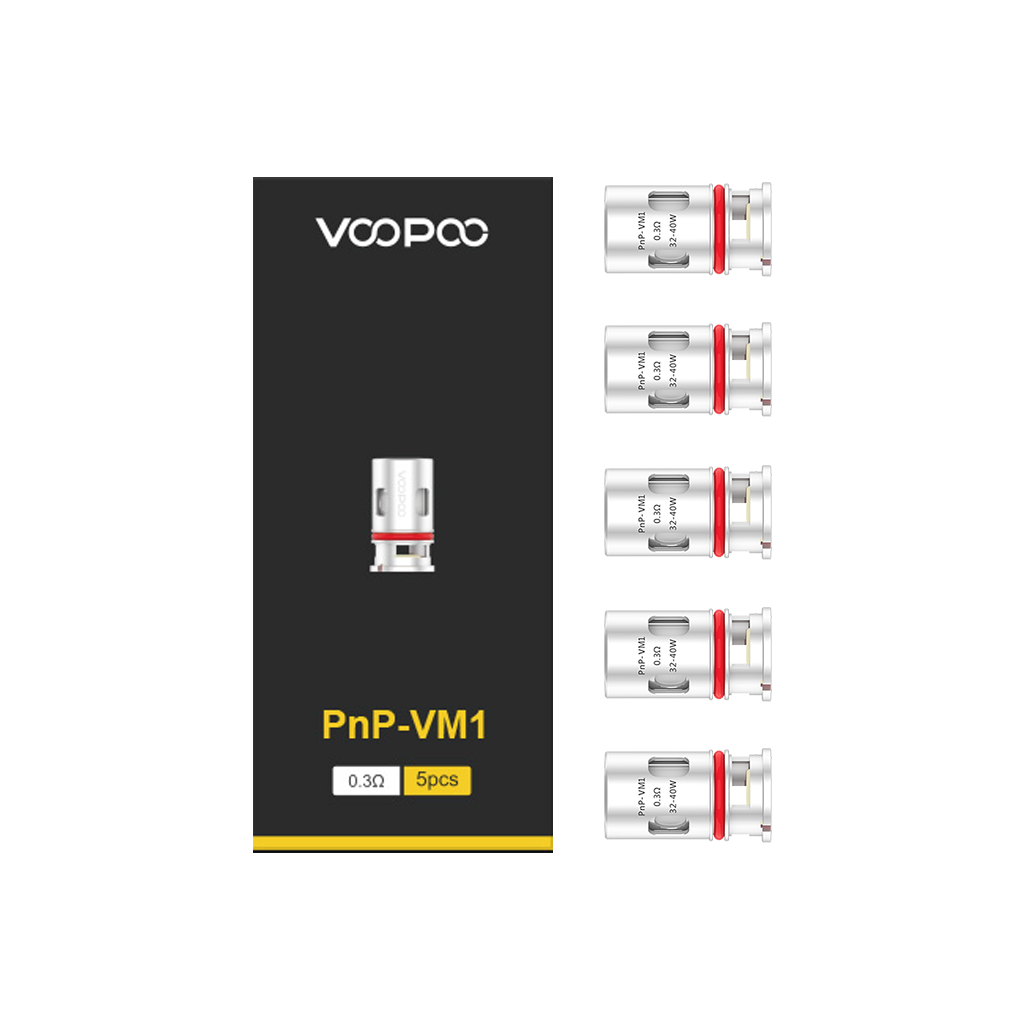
Finding the best settings for a pnp coil is less about chasing the biggest cloud and more about matching the coil, pod airflow, e-liquid, and power level. In a pod system, small changes in wattage or airflow can make a noticeable difference to flavor, vapor warmth, coil lifespan, and battery use. For adult vape users, the goal is a consistent vape that stays within the coil’s recommended range and suits your preferred draw style.
This guide explains how vape specifications affect pnp coil performance in a pod system, including wattage, resistance, airflow, e-liquid thickness, charging habits, and maintenance. Specifications vary by model, so always check the markings on your coil and the user manual for your device before adjusting settings.
What Is a Pnp Coil?
A pnp coil is a replaceable plug-and-play style vape coil used in compatible pod systems and pod mod kits. “PnP” generally refers to the way the coil pushes into the pod rather than screwing in. This design makes coil changes faster, but it also means the coil must be seated correctly to avoid leaking, poor contact, or weak vapor.
PnP coils are available in different resistance levels and coil structures. Lower-resistance coils are usually used for warmer vapor and higher output, while higher-resistance coils are usually used for tighter draws and lower wattage. The exact performance depends on the device, pod, airflow design, and e-liquid. If you are comparing pod-based devices more broadly, see our Pod Guide for a wider overview.
Start With the Wattage Range Printed on the Coil
The best starting point for any pnp coil is the recommended wattage range printed on the coil body or listed by the device manufacturer. Do not guess based only on coil size or appearance. Running a coil too high can cause burnt taste, faster cotton wear, leaking from overheated liquid, or reduced coil lifespan. Running it too low can cause weak flavor, poor vapor production, and gurgling if the liquid is not vaporized efficiently.
A practical method is to begin near the low end of the recommended range, take several short puffs, then increase power slowly if the vape feels too cool or muted. Move in small steps rather than large jumps. This approach gives the cotton time to keep up and helps you find the point where flavor is clear without overheating the coil.
How Coil Resistance Affects Settings
Coil resistance is one of the most important vape specifications affecting pnp coil performance. Resistance is measured in ohms. Lower-ohm coils usually draw more power and are commonly paired with more open airflow. Higher-ohm coils usually use less power and are commonly paired with tighter airflow.
For example, a lower-resistance pnp coil may be better suited to a direct-to-lung or restricted direct-to-lung draw, depending on the device. A higher-resistance coil may be more suitable for mouth-to-lung vaping with a tighter airflow setting. However, specifications vary by model, and not every pod system supports every coil type. Always confirm compatibility before installing a coil.
Resistance also affects battery use. Lower-resistance coils typically consume more power, which can drain a rechargeable vape faster. If you want longer time between charges, a higher-resistance coil and lower wattage setting may be more efficient.
Airflow Settings: Match Airflow to the Coil
Airflow changes how hot the coil runs and how concentrated the flavor feels. With a pnp coil, airflow that is too closed can make the vape overly hot, increase condensation, or create a harsh draw. Airflow that is too open can thin out the flavor and make the vapor feel cooler.
For lower-resistance coils, start with airflow more open, then reduce it slightly if the flavor feels too airy. For higher-resistance coils, start with airflow more restricted, then open it slightly if the draw feels too tight or the vapor feels too warm. The ideal setting is usually where the vapor feels smooth, flavor is defined, and the device does not gurgle or spit back.
If you prefer mouth-to-lung vaping, airflow control is especially important. You may also find this related guide useful: Are pre-filled pods Devices Good for MTL Vaping.
Best E-Liquid Ratio for Pnp Coil Performance
E-liquid viscosity affects how well the coil wicks. VG is thicker and produces denser vapor, while PG is thinner and often carries flavor and throat hit more sharply. The best ratio depends on the pnp coil resistance, wattage, and pod design.
Lower-resistance coils often work better with higher-VG blends because they vaporize more liquid and usually have larger wicking openings. Higher-resistance coils often work better with balanced or thinner e-liquids because they run at lower wattage and may have smaller wicking ports. If the liquid is too thick for the coil, you may get dry hits. If it is too thin for the pod, you may experience leaking or gurgling.
Nicotine strength also matters. Stronger nicotine liquids are commonly used at lower power in tighter-draw devices, while lower-strength liquids are often used in higher-output setups. Adult users should choose nicotine strength carefully and avoid increasing wattage simply to compensate for an unsuitable liquid.
Priming a New Pnp Coil Before Use
Many coil problems begin before the first puff. A new pnp coil needs time for the cotton to absorb e-liquid. After installing the coil and filling the pod, let it sit for several minutes before vaping. Some users also add a small amount of e-liquid directly to visible cotton areas before installation, but avoid flooding the coil.
Once the coil is saturated, start at the low end of the recommended wattage range. Take a few gentle puffs and allow short pauses between them. This helps the wick settle and reduces the chance of scorching the cotton. A burnt taste early in coil life usually does not go away because overheated cotton stays damaged.
Finding the Flavor Sweet Spot
The “best” setting for flavor is usually not the highest wattage the coil can handle. Flavor often peaks somewhere in the middle of the recommended range, where the coil is hot enough to vaporize efficiently but not so hot that sweeteners and flavor compounds break down too quickly.
If flavor is weak, try these adjustments in order:
- Increase wattage slightly within the recommended range.
- Close airflow a little to concentrate vapor.
- Check that the pod is at least partially filled and the wick is saturated.
- Try a compatible e-liquid ratio for the coil type.
- Replace the coil if flavor remains dull after extended use.
If flavor tastes burnt or overly hot, lower the wattage, open airflow slightly, and give the coil more time between puffs. For more detail on flavor variables across vape formats, see What Affects Flavor in 6000 Puff Disposable Vapes? and What Affects Flavor in 25000 Puff Disposable Vapes?.
Vapor Output and Warmth
Vapor output depends on wattage, coil resistance, airflow, and e-liquid composition. A lower-resistance pnp coil at higher wattage usually produces more vapor, but it also uses more e-liquid and battery power. A higher-resistance coil at lower wattage usually produces less vapor but may offer longer coil life and more discreet use.
Vapor warmth is also tied to airflow. More airflow cools the vapor, while less airflow makes it warmer and more concentrated. If the vapor feels too hot, open the airflow or lower wattage. If it feels too cool and thin, slightly reduce airflow or increase wattage within the coil’s rated range.
Battery and Charging Considerations
A rechargeable vape or pod system performs best when the battery can deliver stable power. If your device uses adjustable wattage, a low battery may affect consistency depending on the model. Some devices regulate output more evenly than others. Specifications vary by model, so check the device manual for charging recommendations and output behavior.
Using a lower-resistance pnp coil at higher wattage will typically drain the battery faster. If you need a setup for longer daily use, consider a higher-resistance coil, moderate wattage, and tighter airflow. Avoid using damaged charging cables, and do not continue using a device that becomes unusually hot during charging or operation.
For users comparing portable options, Best pre-filled pods for Pocket Carry Tips may help you think through size, convenience, and everyday carry considerations.
Maintenance Tips for Longer Coil Life
Pnp coil lifespan depends on wattage, liquid sweetness, puff frequency, airflow, and priming. Sweetened e-liquids can darken the coil faster because residue builds up on the heating surface. Chain vaping can also shorten coil life because the wick may not fully resaturate between puffs.
To extend performance:
- Stay within the recommended wattage range.
- Keep the pod filled above the wicking ports.
- Let the coil rest between longer puffs.
- Clean condensation from the pod base and device contacts.
- Replace the coil when flavor drops, vapor weakens, or burnt notes appear.
Pod systems do not require complicated upkeep, but they do benefit from regular checks. For more practical maintenance guidance, read Do pre-filled pods Devices Need Regular Maintenance.
Common Pnp Coil Problems and Setting Fixes
Burnt Taste
A burnt taste usually means the coil is running too hot, the wick is dry, or the coil was not primed properly. Lower the wattage, check liquid level, and allow more time between puffs. If the burnt taste continues, replace the coil.
Gurgling
Gurgling can happen when excess liquid enters the coil chamber. This may be caused by low wattage, very thin e-liquid, loose coil seating, or hard draws. Increase wattage slightly within range, check the coil seal, and avoid pulling too forcefully.
Leaking
Leaking may come from a damaged seal, incompatible e-liquid viscosity, incorrect coil installation, or leaving the pod in hot conditions. Remove the pod, wipe contacts, reseat the coil, and make sure the pod is closed properly.
Weak Flavor
Weak flavor may result from airflow being too open, wattage being too low, an old coil, or a liquid that does not suit the coil. Try a small wattage increase, slightly tighter airflow, or a fresh coil.
Choosing a Pod System for Pnp Coils
Before buying a pod system for pnp coil use, check coil compatibility, wattage range, airflow control, pod capacity, charging type, and whether the device supports the draw style you prefer. A pod mod kit with adjustable wattage gives more control, while simpler pod systems may be easier to use but less flexible.
If you are comparing device formats, read What to Know Before Buying a pod mod kit. For a broader breakdown of technical terms, visit the Vape Specs and Parameters Guide.
FAQ: Best Settings for Pnp Coil
What wattage should I use for a pnp coil?
Use the wattage range printed on the coil or listed by the manufacturer. Start near the lower end, then increase slowly until flavor and vapor feel balanced. Do not exceed the recommended range.
Why does my pnp coil taste burnt?
A burnt taste often comes from high wattage, poor priming, low e-liquid level, thick liquid that cannot wick fast enough, or chain vaping. Once the cotton is burnt, the coil usually needs replacement.
Is a lower-ohm pnp coil always better?
No. Lower-ohm coils can produce warmer vapor and more output, but they use more e-liquid and battery power. Higher-ohm coils may be better for tighter draws, lower wattage, and longer battery life.
How do I improve flavor from a pnp coil?
Stay within the coil’s wattage range, adjust airflow gradually, use an e-liquid ratio suited to the coil, keep the pod filled, and replace old coils when flavor fades.
Can I use any pnp coil in any pod system?
No. Coil compatibility varies by device and pod. Always confirm that the coil series, resistance, and wattage range are supported by your specific pod system.