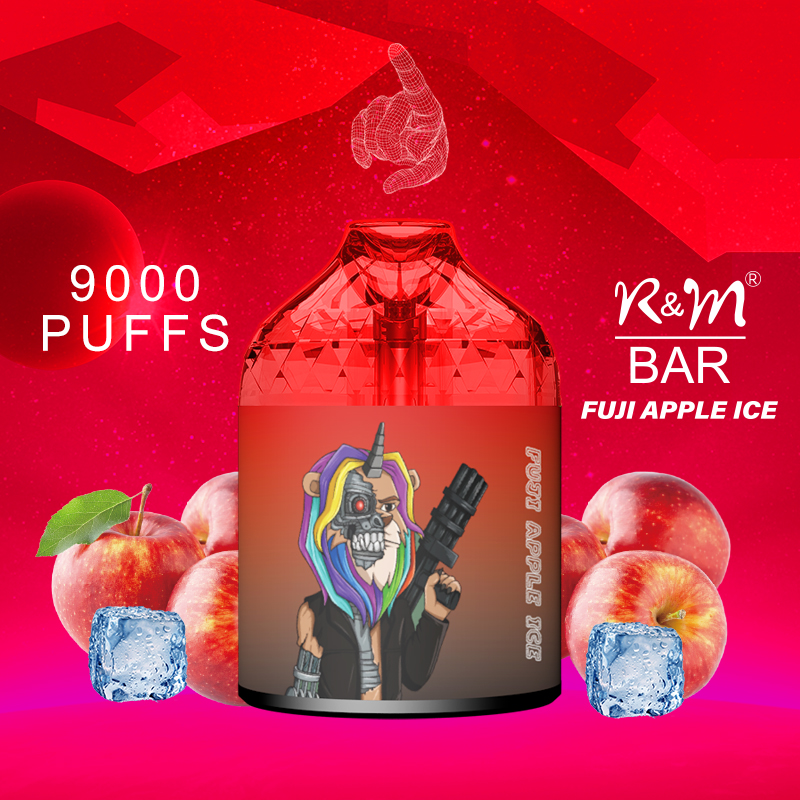
Nicotine salt is one of the most common e-liquid formats used in modern disposable vapes, especially compact and high-puff-count devices designed for adult users who want a strong, smooth, and consistent draw. In disposable vape specifications, nicotine salt affects more than the nicotine label. It can influence throat feel, flavor intensity, coil performance, vapor output, and how the device performs over daily use.
This guide reviews nicotine salt in disposable vapes from a practical specification-focused angle. It is intended for adult vape users who want to understand what they are buying, how different specs interact, and why two disposable vapes with similar nicotine percentages can feel very different in real use.
For a broader overview of device numbers, labels, and performance terms, see the Vape Specs and Parameters Guide.
What Is Nicotine Salt in Disposable Vapes?
Nicotine salt is a form of nicotine commonly used in e-liquids. It is typically made by combining nicotine with an acid, which can create a smoother-feeling vapor compared with many traditional freebase nicotine formulas at similar labeled strengths. In disposable vapes, this smoother profile allows manufacturers to use compact coils and smaller airflow systems while still delivering a noticeable nicotine sensation.
In practical terms, nicotine salt is often chosen for disposable vapes because it works well in lower-power devices. Many disposables use small integrated batteries, automatic draw activation, and prefilled e-liquid reservoirs. Nicotine salt can perform consistently in these setups because it does not require very high wattage to deliver a strong experience.
That said, nicotine salt does not make vaping safe or risk-free. Adult users should read the nicotine strength, ingredient information, and device specifications carefully before use.
Why Nicotine Salt Is Common in Disposable Vape Specifications
Disposable vapes are designed around convenience. The coil, battery, tank, airflow path, and e-liquid are built into one unit. Since users cannot usually change the coil or refill the tank, the e-liquid formula must match the hardware from the start.
Nicotine salt is common because it pairs well with several disposable vape design choices:
- Lower wattage output: Many disposables operate at modest power levels, where nicotine salt can still feel effective.
- Compact coil designs: Mesh and small round-wire coils can vaporize salt-based e-liquid efficiently when properly matched.
- Tighter airflow: Many disposables use mouth-to-lung airflow, which suits higher-strength nicotine salt formulas.
- Pre-filled systems: The manufacturer can tune the e-liquid viscosity, coil material, and airflow together.
- Rechargeable vape formats: Larger disposables may include charging ports so the battery can last through more of the e-liquid capacity.
Because specifications vary by model, nicotine salt performance should be judged alongside the full device design, not just the nicotine percentage.
Nicotine Strength: Why the Label Is Only Part of the Story
Nicotine salt disposable vapes are usually labeled by percentage or milligrams per milliliter. For example, a device may list nicotine as a percentage, while another may use mg/mL. Adult users should understand the local labeling format and check product packaging carefully.
However, the label alone does not determine how strong the device feels. Several specifications can change the actual experience:
- Airflow restriction: A tighter draw can make each puff feel more concentrated.
- Coil efficiency: A well-matched coil can vaporize e-liquid more evenly and deliver stronger flavor and nicotine sensation.
- Wattage output: Higher output may produce warmer vapor and more intense delivery.
- Puff duration: Longer draws consume more e-liquid per puff.
- E-liquid formula: Flavorings, cooling agents, and sweetness can change perceived smoothness.
This is why two disposable vapes with the same nicotine salt strength may not feel identical. One may feel smooth and light, while another may feel warmer, denser, or more intense due to hardware and airflow differences.
How Nicotine Salt Affects Flavor
Nicotine salt can support strong flavor delivery in disposable vapes, but it is not the only factor. Flavor depends on the e-liquid formula, coil type, airflow, power output, and how consistently the wick stays saturated.
In many disposable devices, nicotine salt provides a smoother base that lets fruit, mint, dessert, or beverage flavors feel more rounded. It can reduce harshness compared with some high-strength freebase nicotine liquids, which may allow flavor notes to come through more clearly.
Still, flavor performance can drop if the coil overheats, the wick dries out, or the battery output weakens. Sweet flavors may also leave more residue on the coil, which can reduce flavor clarity over time. If you want a deeper look at how device size and puff rating relate to taste, see What Affects Flavor in 10000 Puff Disposable Vapes? and What Affects Flavor in 20000 Puff Disposable Vapes?.
Coil Performance and Nicotine Salt
Coil performance is one of the most important factors in any disposable vape. The coil heats the e-liquid and turns it into vapor. In nicotine salt disposables, the coil must balance flavor, vapor output, smoothness, and e-liquid consumption.
Many modern disposables use mesh coils because mesh provides more surface area than a traditional wire coil. More surface area can help heat e-liquid evenly, which may improve flavor consistency and vapor production. However, mesh coils also need enough e-liquid flow to prevent dry or burnt-tasting puffs.
Nicotine salt e-liquid is often formulated for efficient vaporization at lower wattage, which can help preserve coil lifespan. But coil lifespan still depends on:
- Sweetener level in the e-liquid
- Wick material and saturation speed
- Power output stability
- User puff length and frequency
- Storage temperature and device orientation
- Airflow design
If a disposable vape starts tasting muted, burnt, or unusually harsh, the issue may be coil degradation, low e-liquid, poor wicking, or battery-related power inconsistency.
Vapor Output: Does Nicotine Salt Make Bigger Clouds?
Nicotine salt itself is not the main driver of cloud size. Vapor output is mostly affected by power, coil surface area, airflow, and the base liquid ratio, usually propylene glycol (PG) and vegetable glycerin (VG). Higher VG formulas typically produce denser vapor, while higher PG formulas often carry flavor and throat sensation more sharply.
Most nicotine salt disposables are not designed for large cloud production in the same way as high-power open-system devices. They usually prioritize draw comfort, flavor, and efficient nicotine delivery. A device with a larger mesh coil and more open airflow may produce more vapor, but it may also use e-liquid faster.
Adult users comparing devices should look beyond puff count and check available details such as coil type, airflow style, battery capacity, charging support, and e-liquid volume. Specifications vary by model, so a higher puff rating does not automatically mean denser vapor.
Charging and Rechargeable Vape Designs
Many higher-capacity disposable vapes now use rechargeable batteries. A rechargeable vape format allows the battery to be topped up before all the e-liquid is used. This is especially common in devices with larger e-liquid capacity or high advertised puff counts.
Nicotine salt works well in rechargeable disposables because the e-liquid is usually intended to last through many sessions. However, charging performance can affect the experience. If the battery output drops too low, vapor may become cooler, weaker, or less flavorful. Recharging can restore power consistency, depending on the device design.
When reviewing a nicotine salt disposable with charging, consider:
- Charging port type: Many current devices use USB-C, but specifications vary by model.
- Battery capacity: A larger battery may last longer between charges, but device efficiency also matters.
- Pass-through use: Some devices may allow use while charging, while others may not.
- Charging time: This varies widely and should not be assumed unless stated by the manufacturer.
- Safety instructions: Use the recommended charging method and avoid damaged cables or overheated devices.
Do not continue using a disposable vape if it becomes unusually hot, leaks heavily, or shows signs of battery damage.
Nicotine Salt in Pod System vs Disposable Vape Devices
A pod system and a disposable vape may both use nicotine salt, but they differ in control and maintenance. A pod system usually has replaceable pods or refillable cartridges, while a disposable vape is designed to be used until the e-liquid or battery life is finished.
With a pod system, adult users may be able to choose different nicotine strengths, e-liquid brands, coil resistances, and pod styles. This gives more control but requires more maintenance. With a disposable vape, the manufacturer preselects the coil, e-liquid, airflow, and battery design, which makes setup easier but limits customization.
Nicotine salt can perform well in both formats. The better option depends on whether the user values simplicity or adjustability. For users comparing disposable categories specifically, the Disposable Vape Guide provides more product-format context.
Puff Count and Daily Performance
Puff count is one of the most visible specifications on disposable vape packaging, but it should be read carefully. Advertised puff count is usually based on controlled puff conditions, not necessarily real-world use. Longer draws, frequent use, higher power output, and open airflow can reduce the number of actual puffs a user gets.
Nicotine salt can influence daily performance because stronger nicotine delivery may lead some adult users to take shorter or less frequent puffs. However, this varies by person and device. A smoother nicotine salt formula may also make it easier to take longer draws, which can increase e-liquid consumption.
For flavor-specific comparisons by device class, see What Affects Flavor in 15000 Puff Disposable Vapes? and What Affects Flavor in 25000 Puff Disposable Vapes?.
Signs a Nicotine Salt Disposable Is Not Performing Well
A nicotine salt disposable may decline in performance before it fully stops working. Watch for these signs:
- Burnt taste: Often linked to dry wicking, overheated coil material, or low e-liquid.
- Weak vapor: May indicate low battery, restricted airflow, or coil decline.
- Muted flavor: Can happen as coil residue builds up or the battery output drops.
- Gurgling: May be caused by excess e-liquid in the airflow path.
- Leaking: Can result from heat exposure, pressure changes, or device damage.
- Harshness: May come from coil wear, high nicotine strength, airflow mismatch, or long puff duration.
If a disposable tastes burnt, avoid trying to force performance out of it. Continuing to use a burnt coil can make the experience unpleasant and may expose the user to degraded vapor quality.
How to Choose a Nicotine Salt Disposable Vape
When choosing a nicotine salt disposable vape, adult users should review the complete specification set rather than relying on one headline number. Key specs include:
- Nicotine strength: Choose a level appropriate for your tolerance and local regulations.
- E-liquid capacity: Larger capacity may support longer use, but consumption depends on puff style.
- Battery and charging: Rechargeable designs may be better suited to higher-capacity devices.
- Coil type: Mesh coils are common for stronger flavor and consistent heating.
- Airflow style: Tighter airflow usually gives a more concentrated mouth-to-lung draw.
- Flavor profile: Menthol, fruit, dessert, and beverage profiles can feel different even at the same nicotine strength.
- Device size: Larger devices may offer more capacity but may be less pocket-friendly.
The best match is the device whose nicotine strength, airflow, coil design, and charging format fit your usage pattern. Specifications vary by model, so always check the product label and manufacturer information.
FAQ
Is nicotine salt stronger than regular nicotine?
Nicotine salt is not automatically stronger by chemistry alone, but it is often used in higher-strength e-liquids and can feel smoother at those strengths. The actual experience depends on nicotine concentration, coil output, airflow, and puff length.
Does nicotine salt improve flavor in disposable vapes?
Nicotine salt can support a smoother flavor experience, but flavor quality mainly depends on the e-liquid formula, coil performance, airflow, and battery consistency. A poor coil or weak battery can still reduce flavor.
Can nicotine salt be used in every vape device?
No. Nicotine salt is commonly used in lower-power pod system and disposable vape formats. High-power devices may deliver too much nicotine too quickly if used with high-strength nicotine salt e-liquid.
Why does my nicotine salt disposable taste burnt?
A burnt taste can come from dry wicking, coil wear, low e-liquid, chain vaping, or overheating. If the burnt taste continues, the device may be near the end of its usable life.
Does a rechargeable vape make nicotine salt last longer?
A rechargeable vape does not make nicotine salt itself last longer, but it can help the battery last through more of the prefilled e-liquid. Actual lifespan depends on e-liquid capacity, power output, puff length, and user habits.